
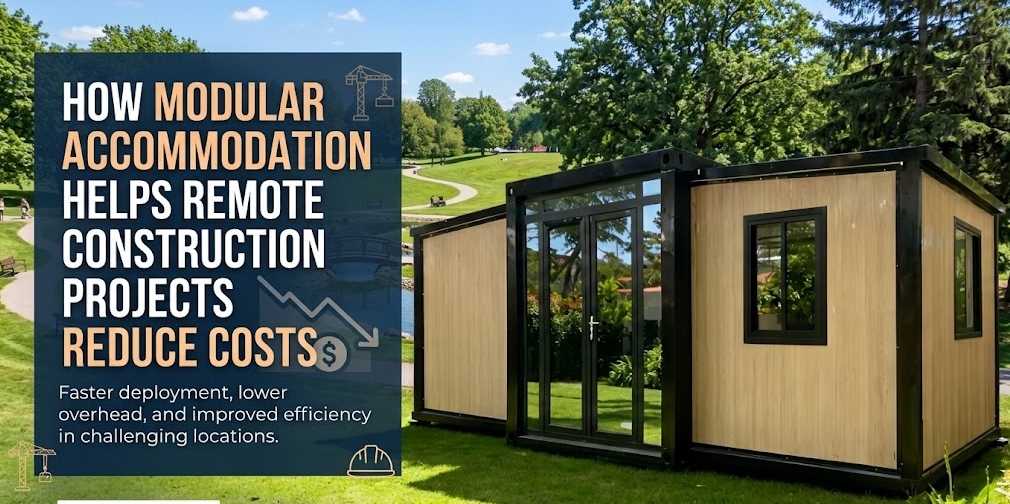
Managing a construction project in a remote location introduces cost pressures that rarely exist in urban developments. Project managers and contractors must secure safe, compliant living quarters for their workforce while balancing tight mobilization schedules and strict logistics budgets.
┌─────────────────────────────────────────────────────────────────────────────────┐
|                       THE REMOTE ACCOMMODATION DILEMMA                          |
├─────────────────────────────────────────────────────────────────────────────────┤
|  Option 1: Commercial Rentals / Hotels                                          |
|  • High recurring room fees                                                     |
|  • Long daily transit times to site (fuel, vehicle wear, lost man-hours)        |
|  • Capacity bottlenecks & seasonal rate spikes                                  |
├─────────────────────────────────────────────────────────────────────────────────┤
|  Option 2: On-Site Modular Accommodation                                        |
|  • Upfront capital outlay for units & site civil works                          |
|  • Transport & crane offloading logistics                                       |
|  • Eliminates daily commuting costs & secures long-term site presence           |
└─────────────────────────────────────────────────────────────────────────────────┘
The fundamental financial question facing project planners is not simply:
“What is the unit purchase price of a modular cabin?”
The true commercial question is:
“What will total workforce accommodation cost the project over its active lifecycle?”
Modular accommodation can reduce overall project expenditure under specific operational conditions. However, achieving genuine cost savings requires evaluating how accommodation is supplied, transported, installed, operated, maintained, and eventually demobilized or relocated.
Defining “Remote” in Construction Logistics
A project does not need to be thousands of kilometers inside a wilderness zone to suffer from remote site logistics constraints. In construction project planning, a site is functionally remote when local infrastructure cannot support the project’s operational footprint without significant temporary investment.
                  ┌──────────────────────────────────────────────┐
                  │    CONDITIONS OF A LOGISTICALLY REMOTE SITE   │
                  └──────────────────────┬───────────────────────┘
                                         │
       ┌──────────────────┬──────────────┴──────────────┬──────────────────┐
       ▼                  ▼                             ▼                  ▼
┌──────────────┐   ┌──────────────┐              ┌──────────────┐   ┌──────────────┐
│  Transport   │   │  Commercial  │              │ Skilled Local│   │ Site Utility │
│ Constraints  │   │ Bottlenecks  │              │    Labor     │   │ Deficits     │
├──────────────┤   ├──────────────┤              ├──────────────┤   ├──────────────┤
│ Unpaved      │   │ Zero local   │              │ No local     │   │ No grid      │
│ roads, weight│   │ hotels/halls │              │ tradesmen to │   │ power, central│
│ limits, narrow│  │ with adequate│              │ build site   │   │ water, or    │
│ passes       │   │ bed capacity │              │ structures   │   │ sewage mains │
└──────────────┘   └──────────────┘              └──────────────┘   └──────────────┘
When local supply chains lack the materials or skilled trades needed for conventional site framing, bringing pre-engineered structures to the project site changes the cost structure of temporary operations.
What Does Remote Project Accommodation Really Cost?
Evaluating workforce housing by unit price alone often creates budget overruns during execution. A comprehensive project budget divides accommodation expenditure into five distinct phases:
┌─────────────────────────────────────────────────────────────────────────────────┐
|                  TOTAL ACCOMMODATION COST FRAMEWORK (TCO)                       |
├─────────────────────────────────────────────────────────────────────────────────┤
| 1. INITIAL ACCOMMODATION CAPEX                                                  |
|    Chassis, structural frames, insulation, doors/windows, internal finishes,    |
|    en-suite sanitary pods, HVAC units, furniture packages.                      |
├─────────────────────────────────────────────────────────────────────────────────┤
| 2. SITE PREPARATION & CIVIL WORKS                                               |
|    Ground clearing, grading, foundation footings/piers, site drainage, water    |
|    storage tanks, wastewater treatment systems, power distribution drops.        |
├─────────────────────────────────────────────────────────────────────────────────┤
| 3. LOGISTICS & MOBILIZATION                                                     |
|    Factory-to-port trucking, ocean freight, customs clearance, inland transport |
|    to site, offloading cranes, temporary site storage, rigging crews.           |
├─────────────────────────────────────────────────────────────────────────────────┤
| 4. OPERATIONAL & MAINTENANCE OPEX                                               |
|    Generator fuel / grid power consumption, HVAC servicing, plumbing repairs,   |
|    spare parts inventory, general building cleaning & maintenance.              |
├─────────────────────────────────────────────────────────────────────────────────┤
| 5. DEMOBILIZATION OR RELOCATION                                                 |
|    Disassembly labor, site restoration, transport to next project site,         |
|    refurbishment, or equipment resale.                                          |
└─────────────────────────────────────────────────────────────────────────────────┘
Focusing exclusively on reducing Phase 1 (buying the cheapest available unit) can easily inflate Phases 2, 3, and 4 if the low-cost building requires complex on-site assembly, heavy crane capacity, or high ongoing energy consumption.
How Modular Accommodation Affects the Cost Structure
Modular building systems alter remote site economics by moving labor-intensive construction processes from the project site into a controlled assembly environment.
CONVENTIONAL SITE-BUILT ACCOMMODATION           MODULAR SITE ACCOMMODATION
(High On-Site Labor & Material Waste)          (Factory Assembly & Rapid Deployment)

 ┌──────────────────────────────────┐            ┌──────────────────────────────────┐
 │ • Transport raw materials        │            │ • Transport compact modules      │
 │ • Pay per-diem for site trades   │   VS.      │ • Rapid crane assembly on site   │
 │ • Face weather delays on frame   │            │ • Pre-installed MEP & finishes   │
 │ • Manage site scrap & cleanup    │            │ • Minimal site labor required    │
 └──────────────────────────────────┘            └──────────────────────────────────┘
1. Reducing Daily Commuting Costs and Lost Working Hours
When a construction crew stays in a commercial hotel 45 to 60 minutes away from the work zone, the project incurs daily transport costs:
- Direct Transit Expenses: Bus leasing, fuel consumption, driver wages, and maintenance on transport vehicles.
- Lost Working Hours: 90 to 120 minutes of total daily travel per worker translates into hundreds of paid, non-productive hours across a full construction season.
Installing on-site modular accommodation eliminates daily long-distance transit, keeping workers directly adjacent to the job site.
2. Controlling Inflationary Commercial Rental Rates
In areas experiencing regional energy, mining, or major infrastructure booms, local hotel and rental markets adjust prices rapidly due to supply scarcity. Renting commercial rooms for dozens of site personnel can quickly exceed initial project allocations. Securing self-contained modular site accommodation fixes living costs for the project duration.
The Role of Project Duration in Cost Calculations
Project duration determines whether purchasing temporary modular buildings delivers financial benefits over local commercial leasing.
ACCOMMODATION COST TRAJECTORY OVER TIME

Total Cost
  ▲
  │                                     / Local Commercial Hotels / Rentals
  │                                    /  (Linear recurring cost curve)
  │                                   /
  │                                  /
  │    -----------------------------X-----------------------------------
  │   /                            /  ← Economic Crossover Point
  │  /                            /
  │ / Modular Accommodation      /
  │/ (High initial setup CapEx) /
  └────────────────────────────┴────────────────────────────────────────► Project Duration
                                Months / Years
Short-Term Projects (1 to 6 Months)
For brief work packages, high upfront mobilization costs—including ocean freight, inland heavy transport, crane rental, and site utility connections—can outweigh cumulative hotel fees. In these scenarios, commercial rentals or local temporary leases often remain the lower-risk operational choice.
Medium- to Long-Term Projects (6 Months to Multi-Year)
As project timelines extend, cumulative hotel room rates and daily transit expenses outpace the fixed capital expenditure of modular buildings. Once the initial setup CapEx is amortized, the monthly cost of modular accommodation drops primarily to utility consumption and basic site maintenance.
Workforce Scale and Facility Planning
Matching accommodation layout to workforce numbers prevents over-purchasing physical structures.
                           ┌────────────────────────────┐
                           │ Total On-Site Workforce    │
                           └──────────────┬─────────────┘
                                          │
                  ┌───────────────────────┴───────────────────────┐
                  ▼                                               ▼
     ┌──────────────────────────┐                    ┌──────────────────────────┐
     │ Small / Medium Site Team │                    │ Large Infrastructure Crew│
     ├──────────────────────────┤                    ├──────────────────────────┤
     │ • En-suite single/double │                    │ • Multi-bed dorm modules │
     │   accommodation modules  │                    │ • Central ablution pods  │
     │ • Integrated office/living│                   │ • Separate mess halls &  │
     │ • Compact laundry spaces │                    │   commercial kitchens    │
     └──────────────────────────┘                    └──────────────────────────┘
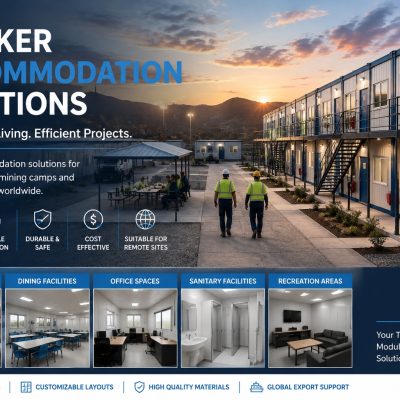
- Small Site Teams (5 to 15 Personnel): Single or double occupancy rooms using Modular Cabin or Expandable Container House systems. These units often feature integrated kitchenettes and private bathrooms to keep site footprint compact.
- Large Site Workforces (30+ Personnel): Multi-bed sleeping quarters utilizing Flat Pack Container House or Detachable Container House systems connected to centralized shower blocks, commercial kitchens, and dedicated dining halls.
Choosing Modular Structural Systems Based on Logistics Constraints
Not all modular systems perform identically in remote transportation environments. Selecting an improper structural system can create severe transport bottlenecks.
MODULAR SYSTEM TRANSPORT MATRIX

┌──────────────────────────┬──────────────────────────┬──────────────────────────┐
│  DETACHABLE / FLAT PACK  │   EXPANDABLE CONTAINER   │    CONTAINER HOUSES /    │
│    CONTAINER HOUSES      │         HOUSES           │      PORTABLE UNITS      │
├──────────────────────────┼──────────────────────────┼──────────────────────────┤
│ Packaged flat for shipping│ Compact transport mode;  │ Pre-assembled rigid chassis│
│ Maximizes sea container  │ expands into larger floor│ Delivered ready to use;  │
│ payload space            │ area on site             │ requires larger transport│
├──────────────────────────┼──────────────────────────┼──────────────────────────┤
│ Lowest Freight Cost / m² │ High Area-to-Freight Ratio│ Higher Freight Cost / m² │
└──────────────────────────┴──────────────────────────┴──────────────────────────┘
Detachable Container House & Flat Pack Container House
- Logistics Advantage: Multiple un-assembled or flat-packed units fit inside a single standard 40ft high-cube shipping container.
- Cost Impact: Dramatically lowers ocean freight and long-distance inland transit costs per square meter of floor space.
- Site Requirement: Requires a small crew to handle assembly on site.
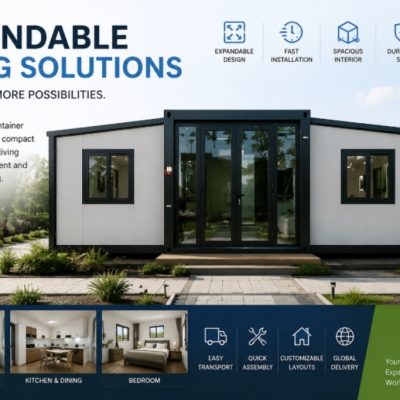
Expandable Container House
- Logistics Advantage: Ships as a single compact container-sized footprint and folds open on site to double or triple its usable floor space.
- Cost Impact: Combines low shipping volume with rapid site deployment.
- Site Requirement: Ideal for sites where assembly labor is scarce or expensive.
Fully Assembled Container House & Portable Buildings
- Logistics Advantage: Arrive pre-fitted with internal equipment, ready for immediate placement.
- Cost Impact: Higher freight volume per usable square meter.
- Site Requirement: Suited for small, immediate-need offices, medical stations, or utility control units where site labor is unfeasible.
Prefab House & Modular Home Systems
- Logistics Advantage: Large-span panels or volumetric modules designed for permanent or semi-permanent staff quarters and central hub structures.
- Cost Impact: Requires coordinated shipping and larger mobile crane capacity on site.
Why Site Logistics Can Outweigh Building Purchase Price
A building purchased at a discount can turn into a costly investment if transport and assembly requirements are poorly matched to site conditions.
                        ┌──────────────────────────────┐
                        │   LOGISTICS COST DRIVERS     │
                        └──────────────┬───────────────┘
                                       │
         ┌──────────────────┬──────────┴───────────┬──────────────────┐
         ▼                  ▼                     ▼                  ▼
  ┌──────────────┐   ┌──────────────┐      ┌──────────────┐   ┌──────────────┐
  │ Road Width & │   │ Crane Access │      │ Site Storage │   │ Assembly     │
  │ Weight Limits│   │ & Offloading │      │ Area Limits  │   │ Complexity   │
  ├──────────────┤   ├──────────────┤      ├──────────────┤   ├──────────────┤
  │ Bridges or   │   │ High daily   │      │ Staged       │   │ Specialized  │
  │ mountain     │   │ mobilizations│      │ deliveries vs│   │ labor hours  │
  │ passes limit │   │ for heavy    │      │ bottlenecked │   │ required on  │
  │ load size    │   │ cranes       │      │ staging yards│   │ site         │
  └──────────────┘   └──────────────┘      └──────────────┘   └──────────────┘
- Road Clearances and Weight Constraints: Oversized pre-assembled modules may require specialized low-boy trailers, escort vehicles, and transit permits across rural road networks.
- Crane Mobilization Costs: Lifting heavy rigid modules requires heavy mobile cranes. If a site is remote, mobilizing a 100-ton crane just to unload a few units can cost as much as the units themselves.
- Assembly Labor Hours: Flat-pack systems lower freight costs but increase site labor hours. If local site labor costs are high, expandable or pre-assembled systems may deliver a lower overall installed cost.
Essential Site Preparation and Utilities Planning
Modular buildings do not eliminate the need for civil site preparation. Omitting civil requirements from initial budgets leads to scope gaps during installation.
┌─────────────────────────────────────────────────────────────────────────────────┐
|                       SITE CIVIL & UTILITY REQUIREMENTS                         |
├─────────────────────────────────────────────────────────────────────────────────┤
| 1. FOUNDATIONS                                                                  |
|    Concrete piers, timber skids, or compacted gravel pads. Level supports       |
|    prevent structural twisting and ensure proper door/window sealing.           |
├─────────────────────────────────────────────────────────────────────────────────┤
| 2. WATER SUPPLY                                                                 |
|    Potable water storage bladders/tanks, pressurization pumps, and filtration.  |
├─────────────────────────────────────────────────────────────────────────────────┤
| 3. WASTEWATER & SEWERAGE                                                        |
|    Self-contained septic holding tanks, biological treatment units, or gray-water   |
|    evaporation fields compliant with local environmental laws.                  |
├─────────────────────────────────────────────────────────────────────────────────┤
| 4. POWER DISTRIBUTION                                                           |
|    Diesel generator sets, solar-hybrid arrays, step-down transformers, and       |
|    buried armored distribution cables.                                          |
└─────────────────────────────────────────────────────────────────────────────────┘
Coordinating site civil works alongside factory production ensures foundations and utility drops are ready when modules arrive, avoiding crane idle time and delay penalties.
Thermal Performance and Long-Term Operating Costs
On a remote site, utility consumption—especially fuel for power generators—represents a major recurring operational cost. Cheaply manufactured accommodation with poor insulation increases thermal loss, forcing HVAC systems to run continuously.
THERMAL ENVELOPE PERFORMANCE COMPARISON

POORLY INSULATED MODULE                 HIGH-PERFORMANCE MODULAR UNIT
(Thin panels, thermal bridges)          (PU/Rockwool panels, sealed joints)

  ┌───────────────────────────┐           ┌───────────────────────────┐
  │ Continuous HVAC load      │           │ Intermittent HVAC cycling │
  │ High generator fuel burn  │    VS.    │ Lower daily fuel burn     │
  │ Condensation & mold risk  │           │ Stable interior climate   │
  └───────────────────────────┘           └───────────────────────────┘
Financial Impact of Insulation Options
Selecting insulation materials appropriate for the local climate directly impacts operating costs:
- EPS (Expanded Polystyrene): Lightweight and cost-effective for temperate zones.
- PU (Polyurethane): Exceptional thermal performance per millimeter, reducing heating and cooling loads in hot desert or arctic environments.
- Rockwool: Excellent fire resistance and acoustic dampening, ideal for high-density crew quarters adjacent to noisy machinery.
Investing in proper insulation thickness and thermal-break window frames reduces generator fuel consumption over the project lifespan.
Spare Parts Management in Isolated Environments
Remote sites cannot rely on local hardware stores for immediate building repairs. A broken plumbing fitting or damaged door lock can render a living unit unusable if replacements are unavailable.
┌─────────────────────────────────────────────────────────────────────────────────┐
|                  RECOMMENDED REMOTE SPARE PARTS PACKAGE                         |
├─────────────────────────────────────────────────────────────────────────────────┤
| • HVAC filters, replacement fan motors, and control boards                      |
| • Plumbing shut-off valves, flex hoses, P-traps, and seal kits                   |
| • Standardized door handles, locksets, hinges, and window latches               |
| • Electrical breakers, light fixtures, switches, and junction boxes             |
| • Roof sealant, silicone tubes, and weather-stripping rolls                     |
└─────────────────────────────────────────────────────────────────────────────────┘
Using standardized building components across all site accommodation allows project managers to maintain a minimal, cost-effective spare parts inventory on site.
Relocation, Reuse, and Demobilization Value
A key financial distinction between modular accommodation and permanent site-built structures is residual asset value.
                  ┌──────────────────────────────────────────────┐
                  │      END-OF-PROJECT ASSET STRATEGY           │
                  └──────────────────────┬───────────────────────┘
                                         │
       ┌──────────────────┬──────────────┴──────────────┬──────────────────┐
       ▼                  ▼                             ▼                  ▼
┌──────────────┐   ┌──────────────┐              ┌──────────────┐   ┌──────────────┐
│  Relocate    │   │ Repurpose    │              │ Resale on    │   │ Long-term    │
│  to Next     │   │ to Permanent │              │ Secondary    │   │ Site Storage │
│  Project     │   │ Utility Hub  │              │ Market       │   │ Asset        │
└──────────────┘   └──────────────┘              └──────────────┘   └──────────────┘
- Multi-Project Relocation: Units designed with rugged steel corner castings and durable structural frames can be disassembled, flat-packed, and shipped to a secondary project site, spreading initial capital costs across multiple construction contracts.
- Secondary Market Resale: Pre-engineered modular cabins maintain resale value in regional markets for agricultural, forestry, or commercial storage uses.
- Site Repurposing: Accommodation units can be converted into permanent site offices, maintenance workshops, or guard facilities once main project construction concludes.
Remote Accommodation Cost Comparison Framework
Evaluating total accommodation costs requires comparing all project expenses across the full operational timeline.
┌─────────────────────────────────────────────────────────────────────────────────┐
|                 ACCOMMODATION COST EVALUATION FRAMEWORK                         |
├─────────────────────────────────────────────────────────────────────────────────┤
| STEP 1: CALCULATE HOTEL / LEASE LEAKAGE                                         |
| [Daily Room Rate + Per-Diem Commute Cost] × Workers × Active Project Days       |
|                                                                                 |
| STEP 2: CALCULATE MODULAR CAPEX & MOBILIZATION                                  |
| [Factory Unit Cost + Shipping + Site Civil Works + Crane Assembly]              |
|                                                                                 |
| STEP 3: CALCULATE MODULAR OPEX & MAINTENANCE                                    |
| [Daily Generator Fuel + Water Supply + Maintenance Labor] × Days                 |
|                                                                                 |
| STEP 4: SUBTRACT RESIDUAL ASSET VALUE                                           |
| Estimated Resale Value OR Depreciated Value Carried to Next Project             |
|                                                                                 |
| NET COMPARISON FORMULA:                                                         |
| Total Modular Cost = (Step 2 + Step 3) - Step 4                                 |
| Compare Net Modular Cost directly against Step 1 Total Hotel Cost               |
└─────────────────────────────────────────────────────────────────────────────────┘
This framework allows project planners to establish an accurate financial crossover point based on their actual site parameters.
Conceptual Project Planning Scenario
Consider a remote highway expansion project requiring housing for 20 site personnel for 18 months, located 75 km from the nearest town.
SCENARIO EVALUATION SUMMARY

OPTION A: Town Hotel & Daily Transit
• 20 Hotel rooms rented for 540 days.
• 2 Crew vans commuting 150 km round-trip daily.
• 1.5 paid travel hours per worker per day.
--> Total cost builds continuously with zero residual asset retention at project close.

OPTION B: On-Site Modular Accommodation Camp
• 5 Detachable Container House accommodation units (4 beds per unit).
• 1 Kitchen/Dining module + 1 Ablution block module.
• Compact gravel foundation pad, on-site generator, water tank array.
--> High initial setup expenditure amortized over 18 months. Units flat-packed and
    shipped to Phase 2 project upon demobilization.
In this scenario, Option B reduces total project outlay over 18 months by eliminating paid travel hours, vehicle maintenance, and cumulative commercial hotel fees, while providing reusable physical assets for future contracts.
When Modular Accommodation May NOT Reduce Costs
To maintain budget accuracy, project managers must recognize conditions where modular accommodation does not offer financial benefits.
┌─────────────────────────────────────────────────────────────────────────────────┐
|               WHEN MODULAR ACCOMMODATION MAY INCREASE COSTS                     |
├─────────────────────────────────────────────────────────────────────────────────┤
| • Very Short Project Timelines (< 3 Months):                                    |
|   Mobilization, shipping, and crane setup costs cannot be amortized.            |
| • Extremely Difficult Access Routes:                                            |
|   Terrain where transport clearance prevents delivery trucks or cranes from     |
|   reaching the site.                                                            |
| • Abundant, Low-Cost Local Housing:                                             |
|   Sites directly adjacent to towns with surplus, inexpensive rental housing.    |
| • Over-Customized Unit Specifications:                                          |
|   Excessive custom floor plans that increase factory lead times and prevent     |
|   standard flat-pack shipping configurations.                                   |
└─────────────────────────────────────────────────────────────────────────────────┘
Recognizing these constraints prevents unnecessary capital allocation when simpler local arrangements suffice.
The Strategic Value of System Standardization
For multi-site infrastructure contractors, standardizing accommodation units across projects delivers significant operational efficiencies.
ADVANTAGES OF SYSTEM STANDARDIZATION

├── Unified Procurement: Standardized orders accelerate factory manufacturing
├── Interchangeable Parts: HVAC, doors, windows, and fittings fit any unit in the fleet
├── Repeatable Site Assembly: Field crews build familiar connections quickly
└── Flexible Fleet Management: Modules reconfigured from sleeping quarters to offices
Standardizing on versatile structural systems—such as Portable Buildings or Prefab House configurations—allows contractors to redeploy assets seamlessly across diverse job sites.
Buyer Procurement Checklist
Before requesting a formal project quotation, project teams should compile the following technical and site data:
- [ ] Exact Site Location & Coordinates: Maps detailing access roads, bridge load limits, and local terrain.
- [ ] Workforce Profile: Total headcount, management vs. crew ratios, and shift schedules.
- [ ] Target Operating Timeline: Planned mobilization date, site duration, and demobilization schedule.
- [ ] Site Layout & Soil Conditions: Ground slope, drainage paths, and available setup space.
- [ ] Utility Infrastructure: Grid power proximity, water source access, and sewage discharge restrictions.
- [ ] Local Climate Profile: Extreme temperature ranges, wind speeds, snow loads, and rainfall data.
- [ ] Future Asset Strategy: Intent to relocate units, resell locally, or retain for permanent site facilities.
Anatomy of a Remote Accommodation Quotation
Comparing proposals from suppliers requires examining full scope boundaries to avoid hidden costs during site execution.
┌─────────────────────────────────────────────────────────────────────────────────┐
|                  RECOMMENDED QUOTATION SCOPE STRUCTURE                          |
├─────────────────────────────────────────────────────────────────────────────────┤
| 1. Structural & Envelope Scope  | Frame chassis, wall panel thickness, density, |
|                                 | roof insulation, floor loading ratings.       |
| 2. Electrical & Plumbing Scope  | Pre-wired conduits, distribution boxes, lighting|
|                                 | fixtures, sanitaryware, water piping.         |
| 3. Finishing & Furniture Scope  | Flooring vinyl, internal trim, beds, lockers, |
|                                 | desks, HVAC units, kitchen appliances.        |
| 4. Logistics & Packaging Scope  | Export flat-packing configuration, container  |
|                                 | packing plans, loading documentation.         |
| 5. Technical Documentation      | Assembly manuals, foundation interface drawings|
|                                 | MEP schematic diagrams.                       |
| 6. Explicit Exclusions          | On-site civil foundations, crane hire, site   |
|                                 | utility trenching, local permitting fees.     |
└─────────────────────────────────────────────────────────────────────────────────┘
A transparent quotation breaks down all supplied materials, allowing project managers to accurately estimate site assembly and civil integration costs.
Total Cost of Ownership (TCO) Model
Project teams should evaluate remote accommodation using a TCO framework:
Total Accommodation Cost =
  Initial Unit Purchase
+ Factory Customization
+ Ocean & Inland Freight
+ Offloading & Site Foundation Setup
+ Electrical & Utility Integration
+ Daily Fuel, Power & Maintenance
+ Demobilization & Transport to Next Site
- Residual Asset / Resale Value
Evaluating every variable within this equation prevents unexpected budget expansions during project execution.
Working with Xinen Modular House Co., Ltd.
Navigating remote site logistics requires more than selecting building models from a catalog. Xinen Modular House Co., Ltd. (operating www.modularhousehub.com) acts as a modular building supplier and project solutions provider, helping construction managers and infrastructure contractors align accommodation plans with actual site realities.
             ┌───────────────────────────────────────────────────────┐
             │       XINEN PROJECT ENGAGEMENT WORKFLOW               │
             ├───────────────────────────────────────────────────────┤
             │ 1. Project Context & Site Logistics Assessment        │
             │ 2. System Selection (Flat Pack, Expandable, Cabin)   │
             │ 3. Floor Plan & Technical Scope Optimization          │
             │ 4. Shipping & Container Packing Layout Planning       │
             │ 5. Comprehensive Commercial & Logistics Proposal      │
             │ 6. Technical Assembly Guidance & Site Documentation   │
             └───────────────────────────────────────────────────────┘
Instead of focusing solely on unit prices, Xinen works with project teams to evaluate transport limitations, site assembly constraints, and long-term asset redeployment goals before manufacturing begins.
Frequently Asked Questions
Is modular accommodation cheaper than hotels for remote construction projects?
It depends on project duration and location. For short projects (under 3–6 months), hotel leasing is often cheaper due to setup costs. For medium- to long-term projects, on-site modular accommodation usually reduces costs by eliminating long daily commutes, room rate inflation, and commercial rental fees.
What costs should be included when comparing modular accommodation options?
Include initial unit purchase price, shipping and inland freight, ground preparation, foundations, crane offloading, utility connections (water, power, sewage), daily HVAC energy consumption, site maintenance, and demobilization or relocation expenses.
Does project duration affect the economics of modular accommodation?
Yes. Short-duration projects struggle to amortize upfront shipping, foundation, and crane setup costs. Longer projects benefit from fixed, low daily operational costs after initial setup expenses are absorbed.
Can modular accommodation be moved to another construction site?
Many modular systems—especially Detachable Container Houses and Flat Pack Container Houses—are engineered for dismantling, flat-packing, and redeployment to new project sites, spreading capital expenditure over multiple contracts.
What site preparation is required for remote modular accommodation?
Requirements vary by terrain, but typically include land clearing, grading for drainage, compacted gravel pads or concrete pier foundations, and connections to power generators, water tanks, and septic systems.
How do worker numbers affect modular accommodation planning?
Workforce headcount dictates whether single en-suite cabins or multi-bed accommodation blocks are more cost-effective. Larger workforces benefit from centralized ablution blocks, commercial kitchens, and dedicated dining halls to optimize floor space.
What should be included in a modular accommodation quotation?
A complete quotation must clarify structural specifications, wall panel insulation ratings, included electrical/plumbing scope, sanitary fixtures, HVAC units, furniture packages, shipping packing plans, assembly manuals, and explicit site exclusions.
Are modular buildings suitable for all remote construction sites?
They suit most sites, but physical road access and offloading capabilities are essential. If access roads cannot accommodate transport trucks or mobile cranes, alternative lightweight or fully knockdown systems must be selected.
Which modular building type is suitable for remote project accommodation?
Flat Pack Container Houses and Detachable Container Houses offer low freight costs for high-density crew housing. Expandable Container Houses provide rapid setup for small site teams. Rigid Container Houses or Portable Buildings work well for immediate-need site offices and utility shelters.
Suggested Internal Links
Explore modular building options for remote project applications:
- Review compact, rapid-deployment accommodation: Expandable Container House
- Examine high-density, low-freight workforce housing: Flat Pack Container House
- Evaluate durable site accommodation units: Detachable Container House
- Inspect rugged site offices and utility shelters: Container House
- Explore standalone site management cabins: Modular Cabin
- View solutions for central mess halls and administrative hubs: Prefab House
- Consider semi-permanent executive housing solutions: Modular Home
- Examine fast-assembly support structures: Portable Buildings
- Learn more about comprehensive site camp solutions: Modular Resort Solutions
- Review completed remote accommodation developments: Projects
- Speak with a project solution specialist: Contact
Key Takeaway
Modular accommodation can significantly lower total remote project expenses, but cost reduction depends on total accommodation, transport, civil setup, and operating expenses over the project lifespan—not simply buying the lowest-priced building unit.