

When browsing modular cabins online, it is easy to focus entirely on interior finishes, window styles, and room layouts. However, before finalizing an order, every property owner must answer a more practical question: Can this building actually reach its intended spot on your land?
Site access is rarely just an installation detail. The physical route to your property, the condition of local roads, the space available for unloading equipment, and the terrain at your final cabin location can significantly influence which modular building system you should choose. Selecting a cabin based solely on appearance without reviewing delivery logistics can lead to unexpected delays, extra handling costs, or installation challenges.
Why Should You Check Site Access Before Choosing a Modular Cabin?
Different modular cabin models are constructed, transported, and assembled in very different ways.
Some cabins arrive at the property largely assembled as a single volumetric unit. Others are transported in a more compact configuration, and some arrive as flat-pack components that require full on-site assembly.
These varying formats directly affect:
- The size and type of delivery truck needed
- Whether heavy lifting equipment can operate on the land
- The amount of working space required around the final foundation
- The labor and time needed to complete the installation
Because transport configurations vary, the physical characteristics of your land should help determine your product choice, rather than forcing an unsuitable cabin onto a difficult site.
What Parts of the Access Route Should You Check?
A general description such as “the property is accessible by road” is rarely enough to guarantee a smooth delivery. Before choosing a cabin model, evaluate the entire transport route from the main highway to your gate:
- Road Width: Can a long, heavy delivery truck travel along the local roads without getting blocked by tight verges or structures?
- Sharp Turns: Can the vehicle negotiate bends, narrow village junctions, or the main entrance gate to your property?
- Overhead Obstacles: Are there low-hanging tree branches, utility cables, or low bridges along the approach?
- Bridges and Road Restrictions: Are there posted weight limits or seasonal vehicle bans that apply to heavy transport trucks?
- Slopes and Ground Conditions: Can a heavy truck maintain traction on steep gravel or unpaved driveways, particularly after rain?
Why Is the Final Position as Important as the Road?
A delivery truck may successfully reach your property boundary, but that does not automatically mean the cabin can be placed where you want it.
Consider the distance and physical barriers between the unloading point and your final foundation pad. Narrow garden paths, dense trees, existing structures, steep slopes, or soft ground can make moving a large, rigid cabin impossible without specialized equipment. If a cabin is intended for a quiet rear corner of a forest plot or a lakeside slope, verify whether a delivery vehicle or handling equipment can physically navigate that path.
Does the Type of Modular Cabin Affect Delivery?
Your choice of building system dictates how it travels and how it is installed:
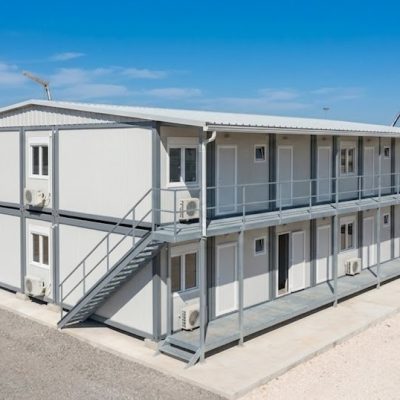
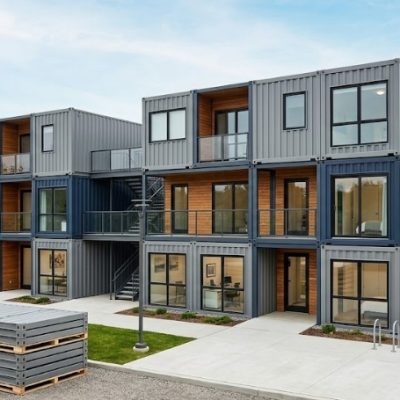
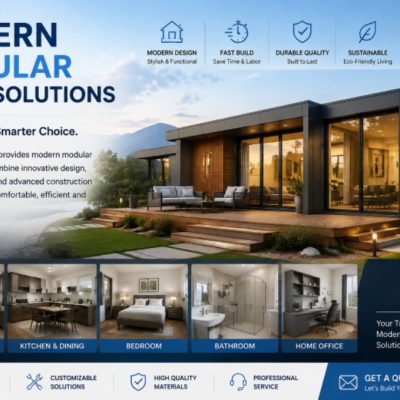
- Modular Cabins: Often delivered largely assembled. This reduces on-site building time, but the rigid transport dimensions require clear road access and adequate swinging space for loading and unloading.
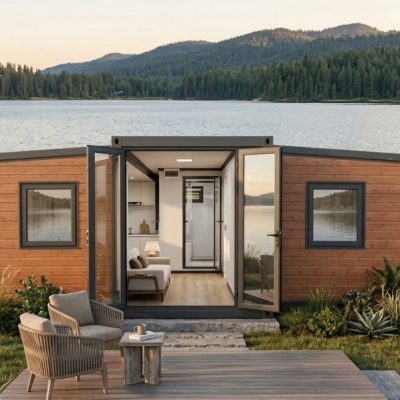
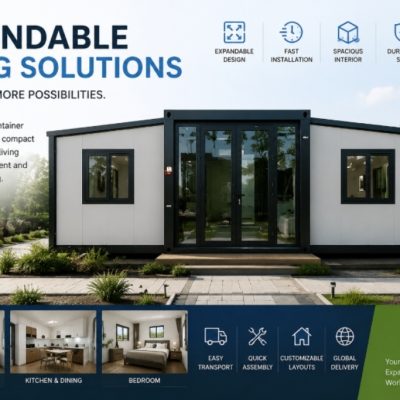
- Expandable Container Houses: Engineered around a compact transport footprint that expands at the destination. While their folded shipping size can make road transport more manageable, you must still check the space required for the unit to deploy laterally.
- Flat Pack Container House: Delivered as a package of components for assembly at the destination. This format can simplify transport to remote areas, but buyers must plan for secure component storage and on-site assembly labor. For a closer look at component-based logistics, review this flat pack accommodation container house.
- Detachable Container House: Arrives as separate structural frames and panels that are assembled on-site, offering an alternative when transporting a complete box is impractical. Explore options like a standard detachable container house if your route has severe volumetric limits.
When Might a Flat Pack or Detachable Building Be Worth Considering?
If your property has severe access restrictions—such as a winding mountain track, a narrow bridge, or a tight forest entrance—transporting a fully assembled volumetric cabin may be impractical.
In these situations, a flat-pack or detachable building system may be worth evaluating because its components can be hauled in smaller loads. However, keep the trade-offs in mind:
- You will need safe space on-site to store panels and frames before assembly.
- Installation requires skilled local labor and adherence to assembly instructions.
- More handling steps mean greater attention is required to avoid missing parts or tools.
Before making this choice, compare how a modular cabin stacks up against other building formats by reviewing our guide on modular cabin and prefab house comparison.
What If the Property Is on a Hill or Has Uneven Ground?
Sloping terrain and uneven soil add another layer of complexity to delivery and installation.
Even if a truck can navigate a slope to reach the property, unloading a heavy module on an incline can create serious safety risks. Furthermore, a sloping site requires careful foundation planning—such as steel stilis or raised piers—to create a level platform for the cabin. Always have local ground conditions and slope stability reviewed by qualified professionals before scheduling a delivery.
Does Site Access Determine Whether a Crane Is Needed?
Not every modular cabin requires a crane, but many volumetric or heavy modular units do. Unloading requirements depend entirely on the unit’s weight, the supplier’s handling guidelines, and the space available on your land.
If a crane or heavy forklift is required, the local transport provider must confirm whether the ground is firm and level enough to support the outriggers safely during lifting operations. If your site cannot accommodate lifting equipment, you may need to reconsider a modular system that relies on smaller, component-based assembly.
How Does Site Access Affect the Total Project Cost?
Difficult access does not automatically make a project prohibitively expensive, but it does change the project scope. Complex routes may require specialized transport vehicles, temporary road reinforcement, extra handling labor, or specialized lifting gear.
Remember that the initial building purchase price is only part of your investment:
$$\text{Building Price} \neq \text{Delivered \& Installed Project Cost}$$
Identifying access challenges early helps you account for freight, unloading, and site preparation costs in your overall budget rather than dealing with unexpected expenses on delivery day.
What Information Should You Send the Supplier Before Ordering?
To help your modular building supplier or project advisor give you realistic guidance, prepare a clear overview of your property before requesting a quotation:
- Project Location: Exact address or regional details and target delivery schedule.
- Access Media: Photographs and measurements of the approach road, entrance gates, sharp turns, and potential obstacles.
- Terrain Details: Site slope, ground conditions, and the distance from the drop-off point to the final cabin pad.
- Site Plan: A sketch showing available unloading space and your preferred cabin placement.
- Project Scope: The preferred cabin model, number of units, and whether you need standard shell units or fully finished interiors.
What Should You Confirm Before Paying a Deposit?
Before finalizing your purchase agreement, confirm these critical operational points with your supplier:
- Exact transport dimensions and weight of the packaged units
- The agreed delivery vehicle type and transport method
- Who is responsible for arranging and paying for unloading equipment (such as a crane)
- Clear instructions for site preparation and foundation requirements
- A transparent breakdown of what is included in the shipping and installation quotation versus what is excluded
When Should You Consider Another Modular Building System?
If your evaluation reveals that your preferred modular cabin cannot physically reach the installation pad, cannot be unloaded safely, or exceeds your site’s structural limits, do not force the installation. Instead, consider an alternative modular format—such as a component-based flat-pack system—or explore whether a different placement area on your property offers better access.
How Xinen Modular House Helps Buyers Review Site Access
Xinen Modular House is a modular building supplier and project solutions provider. We do not manufacture cabins directly or perform local construction work, but we help international buyers navigate pre-order planning.
We assist with:
- Clarifying your resort or vacation property requirements
- Comparing suitable modular building types and transport configurations
- Reviewing supplier product specifications and engineering drawings
- Comparing supplier quotations and identifying missing delivery or installation scope
- Evaluating site-access constraints and coordinating supplier communication before ordering
Key Takeaways
- Site access should always be evaluated before choosing a modular cabin model.
- A delivery truck reaching your property boundary does not guarantee the cabin can reach its final position.
- Different modular systems have vastly different transport, unloading, and assembly requirements.
- Expandable and volumetric units require specific clearance and handling space on-site.
- Flat-pack or detachable systems may help solve difficult access challenges, but require destination assembly.
- Unloading and lifting arrangements must be confirmed prior to shipment.
- Total project cost includes delivery, unloading, and installation—not just the base building price.
FAQ
How does site access affect the choice of a modular cabin?
Poor road conditions, narrow gates, sharp turns, or limited unloading space can prevent large volumetric cabins from reaching your site, pushing you toward compact or component-based modular systems instead.
Can a modular cabin be delivered to a narrow property?
It depends on the cabin’s transport dimensions. While assembled volumetric cabins need wide access, flat-pack or modular container systems can often be transported in smaller component loads.
What if the road has sharp turns?
Sharp turns can block long flatbed trucks carrying rigid cabins. You may need to check alternative routes, smaller transport vehicles, or modular systems shipped in compact container formats.
What should I check before delivering a cabin to a rural property?
Check road widths, overhead tree branches, bridge weight limits, seasonal mud or slope conditions, and whether your driveway can support a heavy loaded truck.
Does every modular cabin require a crane?
No. While many rigid volumetric cabins require a crane or heavy lifting equipment, some smaller or component-based modular buildings can be positioned using alternative handling methods depending on the model.
Is a flat pack cabin better for a site with limited access?
Flat pack cabins are often easier to transport to restricted sites because their components arrive packed in standard container dimensions, though they require more assembly work on-site.
Can an expandable container house be installed on a sloping site?
An expandable unit requires a level, engineered foundation pad and adequate flat ground adjacent to it to unfold its side wings safely.
What photographs should I send to a modular cabin supplier?
Send clear photos of the entrance gate, any narrow sections or sharp turns along the approach road, overhead obstacles, and the exact unloading and installation area on your land.
Does difficult access increase the cost of a modular cabin project?
It can. Special transport arrangements, extra handling labor, or crane rentals required for difficult sites can add to your total project cost.
What should I confirm before ordering a modular cabin?
Confirm the transport dimensions, delivery vehicle requirements, unloading responsibilities, site preparation needs, and whether all logistics costs are included in your supplier quotation.