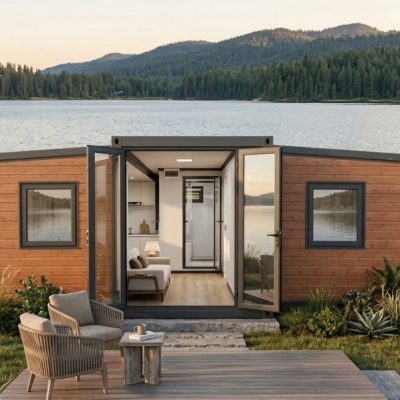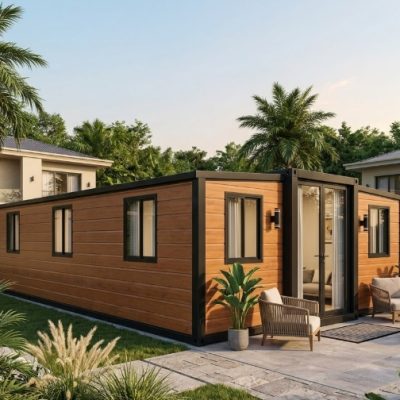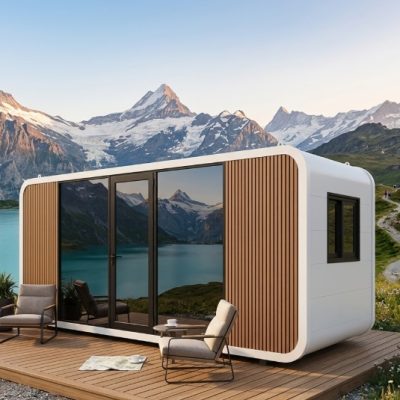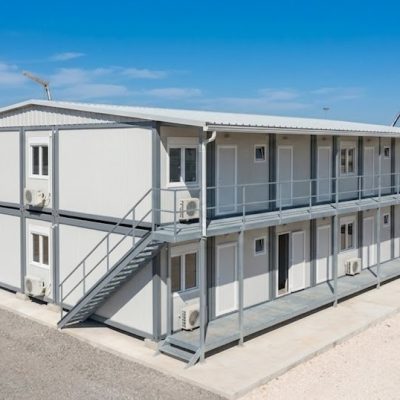

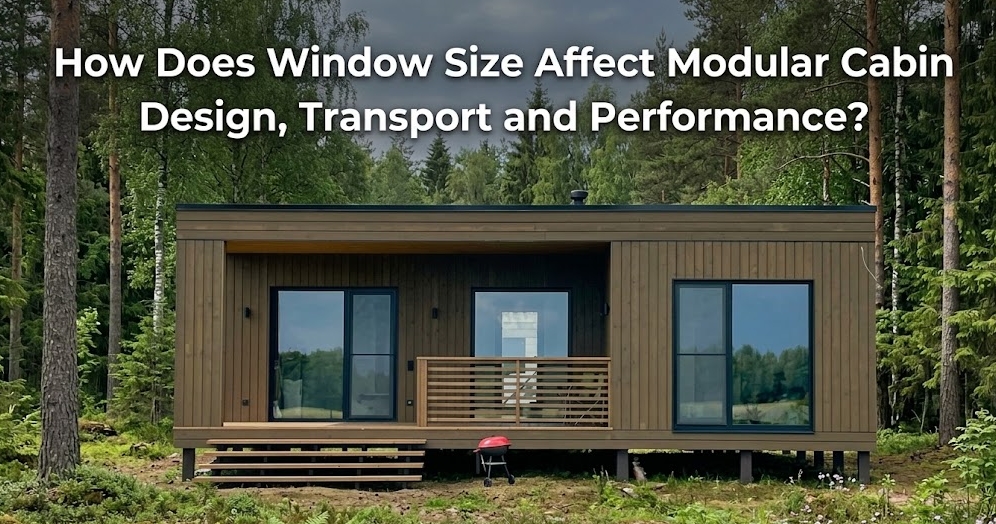
When choosing a modular cabin, windows affect far more than outward appearance. Their size, placement, and number influence your interior room layout, furniture arrangement, privacy, indoor comfort, transport planning, and the items included in your supplier quotation.
While larger windows can be visually appealing and bring in plenty of daylight, their suitability depends heavily on your application, climate, and the conditions at your destination. This guide covers what you should consider before approving a final window schedule or requesting a supplier quotation.
Are Larger Windows Always Better for a Modular Cabin?
No. Choosing the largest possible windows is not always the best approach for a modular cabin.
The practical benefits and limitations must be weighed against one another:
- Potential benefits: More natural light, expansive views, a stronger connection with the surrounding landscape, and a more open feeling inside smaller spaces.
- Potential limitations: Reduced wall space for wardrobes, cabinets, or desks; increased privacy challenges; greater exposure to direct sunlight; potential heat gain or heat loss depending on the glass specification; and possible changes to the manufacturer’s standard structural framing.
The goal is not to maximize glass area for its own sake, but to choose a window arrangement that matches your actual cabin use and site conditions.
How Does Window Size Affect the Interior Layout?
The position and size of your windows dictate how you can use the interior space. Interior walls in modular cabins often need to accommodate functional items like beds, kitchens, desks, and storage.
- Bed placement: A large floor-to-ceiling window beside the bed offers a dramatic view, but it can eliminate the wall space needed for a headboard, bedside tables, or reading lights.
- Kitchen cabinets: A kitchen window provides valuable daylight over a sink or prep area, but it must be carefully coordinated with upper cabinets, splashbacks, and plumbing vents.
- Storage and seating: Every square meter of glass replaces a square meter of solid wall that could otherwise support wardrobes, shelving, or electrical outlets.
Buyers should review furniture dimensions and window positions together—rather than approving a window layout first and trying to fit the interior afterward.
How Should Window Size Be Chosen for Different Cabin Uses?
Your window configuration should align directly with how the cabin will be used:
- Vacation-rental or scenic cabins: Properties located in areas with natural views often prioritize larger glass panels, sliding doors, and visual connections to the outdoors.
- Compact guest accommodation: Smaller units require a careful balance between daylight and wall space to ensure guests have room for luggage storage and comfortable seating.
- Longer-term accommodation: Everyday usability matters most here. Ventilation, window operability, heating and cooling efficiency, and furniture flexibility take priority over dramatic architectural glass.
How Does Window Size Affect Privacy?
Window size alone does not determine privacy; location, orientation, and surroundings are equally critical.
A large picture window is wonderful when it looks out over a private forest, but it can create privacy issues if it faces a neighboring property, a shared pathway, or another guest’s deck.
When planning your cabin layout, check where windows are positioned relative to exterior walkways, adjacent buildings, and common outdoor areas. Anticipating sightlines early helps you determine where curtains, blinds, or exterior screening will be necessary.
Does Window Size Affect Transportation?
The impact of windows on transport depends entirely on how the modular cabin is constructed and shipped.
- Factory-fitted windows: If windows are installed at the factory before transport, large glass panels may require extra protective crating, reinforced packing, or careful handling on rough transport routes.
- Disassembled or flat pack systems: In some modular building systems, wall panels and window units are shipped separately and assembled on-site, which changes how transport space and protection are managed.
Larger windows do not automatically make a building wider or increase freight costs by themselves, but they do require the supplier to ensure that glass and frames are properly secured against transit vibration. Always check whether your chosen windows are fitted during transit or installed after the structure is delivered.
What Should Buyers Know About Large Windows and Heat?
Windows act as thermal entry and exit points for a building. In plain terms, glass lets in radiant energy and loses heat faster than insulated walls.
- In hot, sunny climates: Large, unshaded windows facing the sun can significantly increase indoor temperatures, requiring larger air conditioning units to keep the space comfortable.
- In cold climates: Poorly specified glass or inadequate sealing around window frames can lead to noticeable heat loss and cold drafts near the glass.
Size, orientation, and glazing specifications must be considered together. Matching your window choices to your local climate ensures that your cabin remains comfortable year-round.
What About Ventilation, Condensation, and Indoor Comfort?
The amount of glass in a cabin is not the same as the amount of ventilation.
Buyers should distinguish between fixed windows (which offer light and views but cannot be opened) and operable windows (which allow fresh air to circulate). Relying entirely on fixed glass can leave a small cabin stuffy unless mechanical ventilation or other opening windows are part of the design.
Furthermore, temperature differences between indoor air and cold glass surfaces can lead to condensation if indoor humidity is high. Choosing windows with appropriate seals and ventilation paths helps manage moisture and maintain indoor comfort.
Do Larger Windows Increase the Cost of a Modular Cabin?
Changing from standard windows to larger or customized configurations can affect your supplier quotation. The price difference depends on several factors:
- The exact dimensions, frame materials, and glass thickness requested.
- Whether the windows are standard production sizes or custom cuts.
- The choice between fixed frames and opening mechanisms.
- Additional structural framing required to support larger window openings.
- Specialized packing and transport protection.
Rather than assuming window changes are minor accessories, request a revised quotation based on a detailed window schedule so you can evaluate the actual cost difference.
Can You Change Standard Window Sizes Before Ordering?
Some modular building models allow for window customization, but your options depend on the specific manufacturing system.
- Check which window sizes and positions are available as standard configurations.
- Ask the supplier if your requested changes require adjustments to the main steel frame or wall panels.
- Confirm whether revised architectural drawings are needed before the order goes into production.
Do not assume that windows can be placed anywhere on a modular wall. If a modification affects structural support, the supplier must confirm that the layout is approved for that specific model.
What Should You Check in the Window Specification?
When reviewing a supplier quotation, make sure the window description goes beyond a simple size label. Clarify the following details:
- Dimensions: Exact width and height of each window opening.
- Type: Whether the unit is fixed, casement, sliding, or awning.
- Frames: Material (such as aluminum or PVC) and surface finish.
- Glazing: Single, double, or specialized glass specifications.
- Hardware: Handles, locks, hinges, and weather seals.
- Extras: Inclusion of insect screens, security bars, or blinds.
- Protection: How the windows are protected during transit and lifting.
How Should You Compare Two Cabin Quotations With Different Window Sizes?
When comparing bids from different suppliers, ensure you are comparing equivalent configurations. Two cabins of the same outer dimensions can vary greatly if one includes standard small windows and the other features floor-to-ceiling glass.
Compare the overall cabin structure, window quantities, frame specifications, opening types, interior layouts, and transport terms side by side. Understanding what is included—and what is excluded—ensures a fair and accurate comparison.
What Should You Provide Before Asking for a Window Configuration?
To get accurate feedback and pricing from a supplier, prepare a clear summary of your project requirements:
- Project location and climate conditions.
- Intended cabin use (e.g., vacation rental, guest room, site office).
- Preferred floor plan or room layout showing bed, bath, and kitchen locations.
- Desired view directions and privacy requirements.
- Any specific preferences for natural light or window types.
Providing this context helps suppliers recommend a window configuration that fits both your budget and your practical needs.
How Xinen Modular House Helps Buyers Review Cabin Configurations
Xinen Modular House is a modular building supplier and project solutions provider. We help international buyers understand available modular building options, clarify product configurations, compare supplier quotations, identify missing scope, consider transport and installation requirements, and coordinate supplier-side information before ordering.
Our main product categories include Modular Cabin, Container House, Expandable Container House, Flat Pack Container House, Detachable Container House, Prefab House, Modular Home, and Portable Buildings.
Note: Xinen Modular House is not a manufacturer, architectural design firm, or engineering consultancy. We do not independently certify structural safety or guarantee performance.
Key Takeaways
- Bigger windows are not automatically better for every cabin project.
- Window size and window position should be planned alongside interior furniture and storage needs.
- Privacy and sightlines depend heavily on window placement and cabin orientation.
- Transportation effects vary based on the specific modular system and how glass is packed for transit.
- Climate, glazing specs, and ventilation choices directly influence indoor comfort.
- Customized window dimensions must be verified by the supplier before ordering.
- Window scope should be carefully checked when comparing supplier quotations.
FAQ
Are larger windows better for a modular cabin?
Not always. While larger windows provide more light and views, they reduce available wall space, can increase heat gain or loss, and may raise privacy concerns.
How does window size affect modular cabin layout?
Large windows limit where you can place tall furniture such as wardrobes, kitchen cabinets, and beds against the exterior walls.
Do larger windows affect transportation?
They can require more careful protective packing during transit, depending on whether the windows are factory-fitted or shipped separately.
Can I change the standard window size before ordering?
Many modular systems allow certain customizations, but you must confirm with the supplier whether your changes fit within the standard frame design.
Do large windows make a cabin hotter?
In sunny climates, larger windows can let in more solar heat if the glass lacks proper tinting, shading, or low-emissivity coatings.
Do fixed windows provide ventilation?
No. Fixed glass panels offer light and views but cannot be opened, meaning your cabin needs other opening windows or ventilation systems for fresh air.
What window specifications should I confirm with a supplier?
Confirm dimensions, opening types, frame materials, glazing type, weather seals, insect screens, and transit protection.
Can windows be placed anywhere on a modular cabin?
Not necessarily. Window placement is often restricted by structural corner posts, wall panel joints, and framing layouts.
Do larger windows increase the cost of a modular cabin?
Customized or oversized windows, heavier glass specifications, and additional structural framing can increase the overall quotation price.
What should I include in a cabin window configuration request?
Include your project location, intended use, preferred floor plan, view directions, privacy needs, and desired window types.
Planning a modular cabin and considering larger or customized windows? Share your intended use, preferred layout, project location, and available drawings. We can help you clarify the window configuration, review the supplier specification, and identify the details that should be confirmed before ordering.