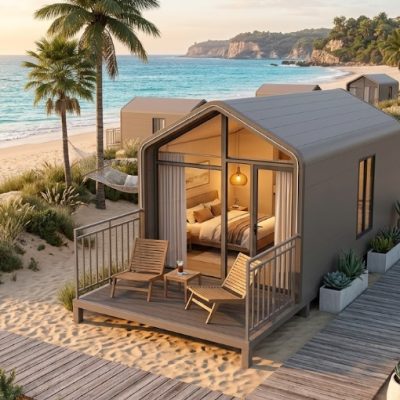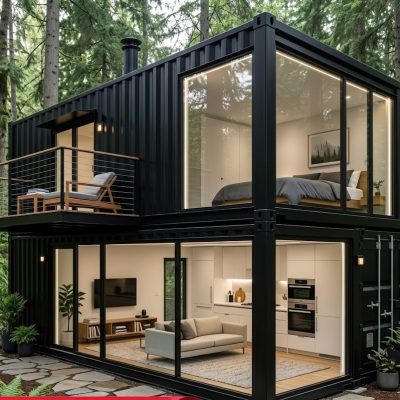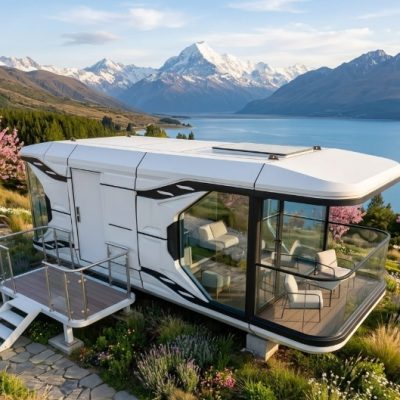

Key Takeaways
- Speed to Market: A boutique resort using expandable container units can transition from ground-level prep to welcoming guests in weeks, compared to 12+ months for traditional masonry builds.
- Capital Efficiency: Lower upfront building costs mean operators can start with 4–6 units, test local tourism demand, and reinvest profits to scale up capacity incrementally.
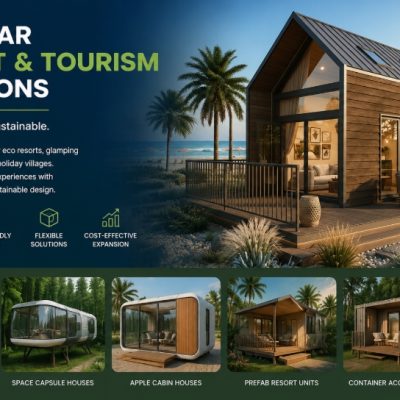
- Preserved Natural Site: Minimal ground excavation protects site trees, slope contours, and ecosystems, giving your resort an authentic “eco-luxury” selling point.
- Turnkey Interiors: Standard units come factory-equipped with sandwich wall insulation, double-glazed windows, pre-wired electrical layouts, and pre-fitted plumbing core spaces.
- Relocatable Assets: Unlike permanent concrete structures, expandable units can be refolded, moved, or resold if land leases end or site plans change.
Why Use Expandable Container Units for Your Resort?
Building a boutique resort, glamping lodge, or eco-retreat is always a balance between creating a unique guest experience and keeping project timelines on track. Traditional site building often turns into a lengthy battle against weather delays, contractor shortages, and rising material budgets.
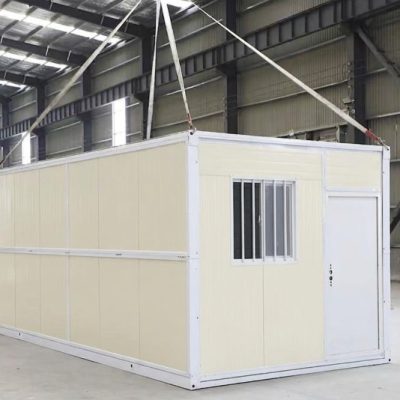
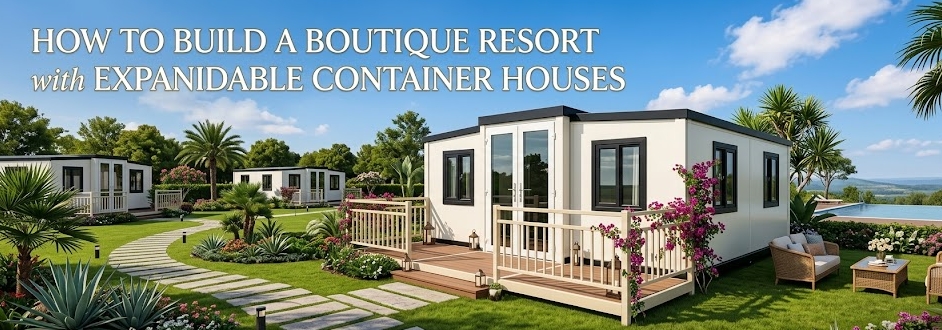
Expandable container houses offer a pragmatic shortcut. Manufactured in a factory as compact box units, they transport efficiently via standard sea and road freight.
Once on your property, both side wings fold outward to instantly create a full-sized suite—giving you modern room comfort with a fraction of the site disruption.
+-------------------------------------------------------------------------------+
|                           OFFSITE FACTORY PHASE                               |
| Galvanized Frame  --> Wall Insulation & Glass Doors --> Integrated Bath Core |
+-------------------------------------------------------------------------------+
                                        |
                             (Sea & Road Logistics)
                                        |
                                        v
+-------------------------------------------------------------------------------+
|                            ON-SITE SETUP PHASE                                |
| Pier Footings Prep --> 2-Hour Wing Unfolding --> Utility Hookups & Decking    |
+-------------------------------------------------------------------------------+
Step-by-Step: Planning Your Container Resort Project
Developing a boutique resort requires a clear operational sequence. Here is how successful resort developers manage the process:
Step 1: Site Master Planning & Land Preparation
Because expandable units do not require heavy continuous foundation slabs, your site preparation stays minimal:
- Footing Options: Install concrete piers, ground screw anchors, or adjustable steel posts. This allows you to set up on sloping terrain, forest floors, or sandy soil without flattening the land.
- Access Routes: Ensure your site road is wide and clear enough for a flatbed truck and a standard mobile crane or heavy forklift to maneuver.
Step 2: Selecting Room Layouts & Interior Finishes
Resort guests expect privacy, comfort, and good natural lighting.
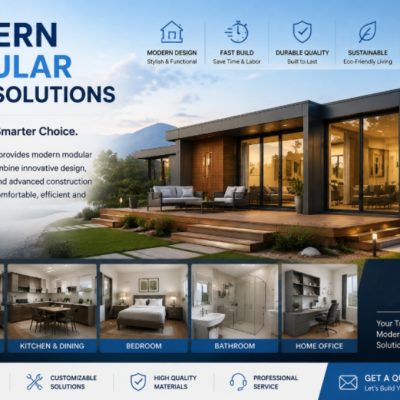
- Couples / Luxury Suites: Configure as a spacious 1-bedroom layout with a king bed zone, open seating area, and an ensuite bath with glass sliding doors leading out to a scenic deck.
- Family / Group Cabins: Utilize a 2-bedroom arrangement flanking a central living space, ideal for family vacations or small groups.
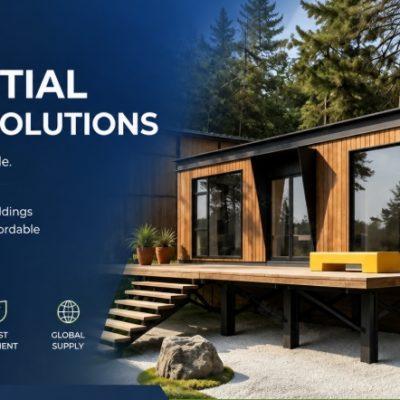
- Exterior Styling: Add wood-plastic composite (WPC) wall cladding, bamboo paneling, or custom exterior paint colors so the steel frame blends into the surrounding landscape.
Step 3: Utility Connections & Off-Grid Integration
Getting utilities up and running quickly keeps your project moving smoothly:
- Power: Internal wiring, LED lights, and distribution boxes are pre-installed in the factory to match your regional voltage standards. Units connect directly to the site grid, or to a centralized solar/generator system.
- Water & Sewage: Factory pre-routed plumbing lines connect underneath the floor core straight into local septic tanks, municipal lines, or eco-friendly biodigesters.
Financial Logic: Traditional Resort Build vs. Expandable Units
For resort owners and investors, early cash flow matters just as much as design aesthetics.
| Evaluation Metric | Traditional Resort Cabins | Expandable Container Resort |
| Time to First Guest | 8 to 14 Months | 4 to 8 Weeks (Factory Lead Time + Setup) |
| On-Site Construction Noise | High (Months of drilling, cement mixing, trucks) | Low (1–2 days of unloading and unfolding) |
| Site Damage | High (Heavy grading, tree clearing, concrete pours) | Very Low (Preserves natural trees, soil, and slope) |
| Expansion Flexibility | Difficult and expensive to add rooms later | Easy (Order 2–4 extra units and drop them onto piers) |
| Initial Investment Risk | High upfront capital locked in immovable real estate | Scalable capital outlay with mobile physical assets |
What Should You Check Before Ordering from a Supplier?
To avoid surprise costs during site assembly, review these basic procurement details with your solution provider:
- Insulation Core Material: Match the sandwich wall panel core (EPS, PU, or Rockwool) and panel thickness to your climate. Colder regions need thicker insulation to maintain heating efficiency, while humid coastal spots require high rust-proofing and heat reflection.
- Glazing & Window Upgrades: Upgrade standard windows to large, tempered double-pane glass sliding doors to maximize views and natural light.
- Shipping & Freight Capacity: Check container loading metrics with your supplier. Fitting multiple folded units into standard ocean containers lowers per-unit transport expenses.
- Local Building Approvals: Share your local site requirements early so your supplier can provide basic structural drawings, load ratings, and floor plans for local permit reviews.
Frequently Asked Questions (FAQ)
Can expandable container houses withstand bad weather?
Yes. When fully unfolded and locked into position, expandable units feature sloped roof drainage, weather-resistant flashings, and EPDM rubber seals at all fold joints to keep rain out and withstand normal wind and snow loads.
How do we handle heating and cooling in these cabins?
Wall panels are pre-insulated, and the factory includes pre-drilled wall sleeves and electrical points for split-system air conditioners or heat pumps.
How long does a container resort last?
Built with galvanized steel frames and durable sandwich panel cladding, expandable cabins have an intended operational lifespan of 20 to 30 years with regular exterior maintenance.
Do we need a large construction crew on site?
No. Unfolding and securing an expandable unit requires a small team of 3 to 4 workers and basic lifting equipment (like a crane or forklift). Most units can be unfolded and sealed in under two hours.
Ready to Map Out Your Resort Expansion?
Planning a boutique resort or glamping site doesn’t have to mean months of construction delays and unpredictable site budgets.